Home › Brick Veneer Installation
Our team installs high quality brick veneers in Indianapolis, IN, giving your home the look of full brick with less weight and cost. We handle brick veneer siding, accents, and facades with proper flashing and details to keep water out and curb appeal high.
Superior Masonry Indianapolis provides professional brick veneers throughout Indianapolis, IN, Indiana and the surrounding area. Our licensed, insured crew delivers safe, clean, on-time work with a free estimate before anything begins. Call (317) 648-2270 or request your free quote.
Brick Veneers for Indianapolis Homes and Buildings
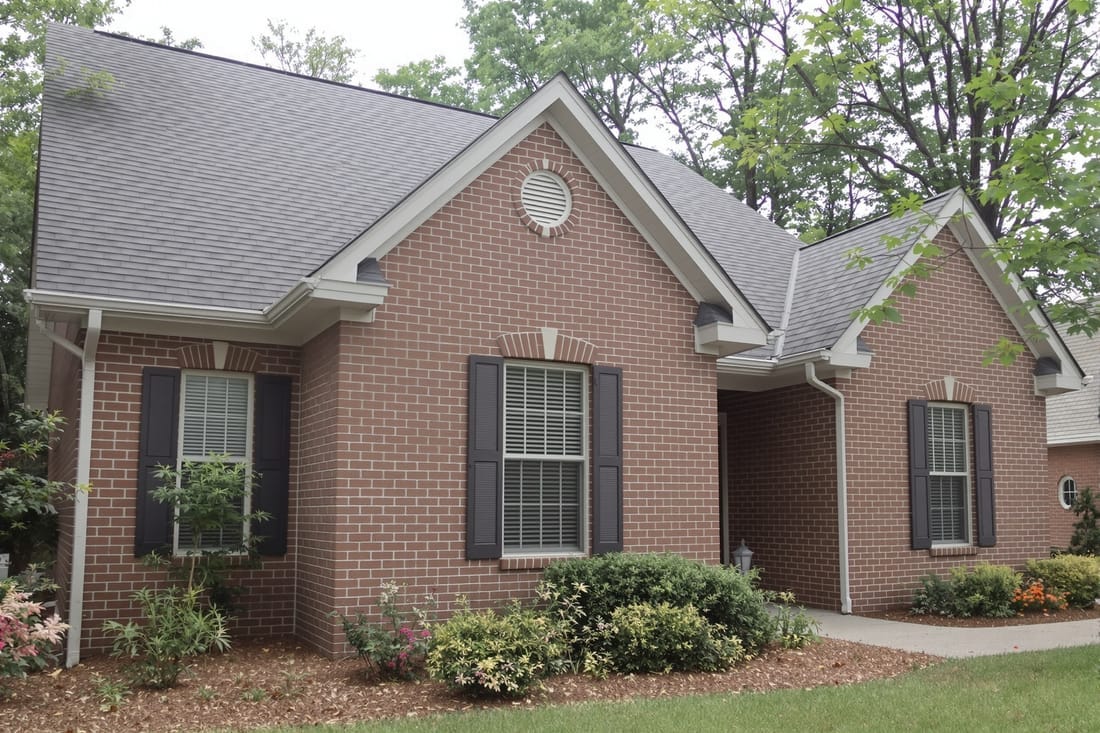
Brick veneers give Indianapolis property owners the look and durability of brick without the cost and structural weight of a full masonry wall. Instead of building a thick, load-bearing brick wall, we install a single layer of brick units on a structural backing, usually wood framing, concrete block, or poured concrete. Superior Masonry Indianapolis focuses on this type of work every week in neighborhoods from Broad Ripple and Irvington to newer subdivisions in Fishers and Greenwood.
In central Indiana, a lot of homes from the 1950s through the early 2000s were built with vinyl or aluminum siding on wood framing. These houses are ideal candidates for brick veneers because the structure is already in place and we can tie brick into the existing wall. For older homes inside I-465, we often replace failing or wavy siding with brick veneer to improve insulation, noise control, and curb appeal while respecting the original architecture.
We pay close attention to local climate conditions. Indianapolis freeze-thaw cycles, wind-driven rain, and clay-heavy soils put stress on exterior walls. When we install brick veneers, we design the wall to drain water out and move slightly with seasonal changes, which is the difference between a veneer that lasts decades and one that cracks within a few winters.
How Our Brick Veneer Installation Process Works
Our work always starts with an on-site evaluation. A Superior Masonry Indianapolis estimator checks your existing wall structure, inspects for rot or insect damage around the rim joist and sheathing, and looks at grading and drainage around the foundation. For many Indianapolis houses, we also check for past ice dam issues and gutter overflows, since these can dump water directly on veneer areas. We discuss your goals, preferred brick look, and any height changes or additions you want.
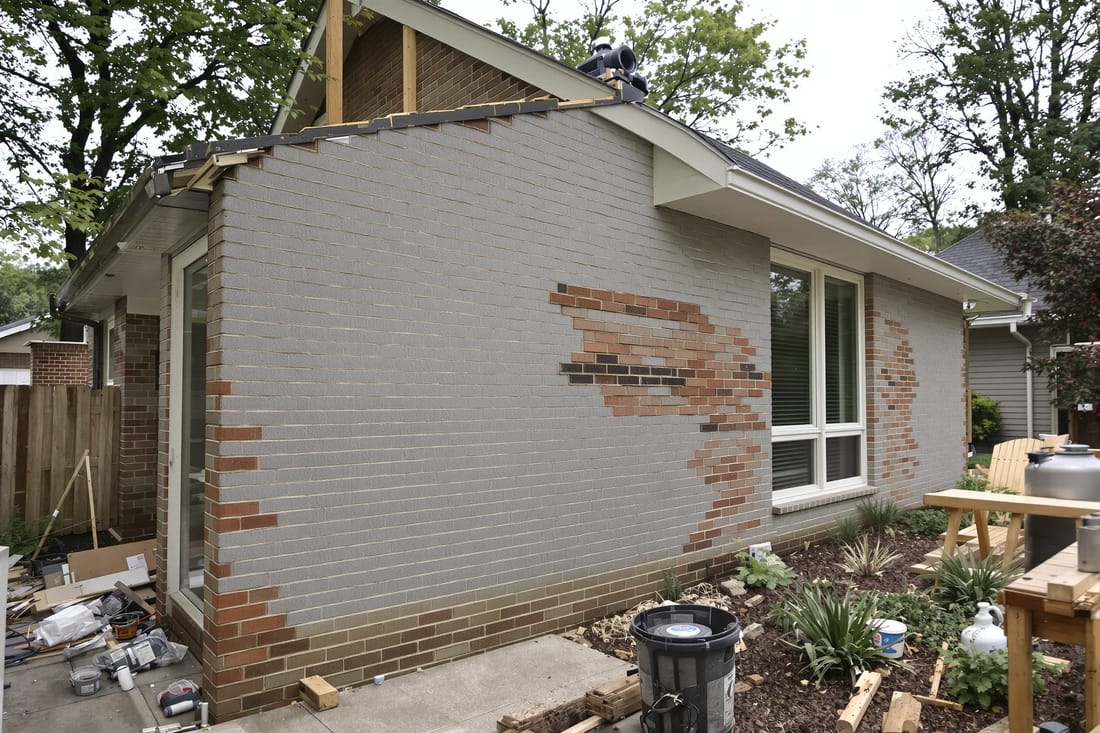
Preparation comes next. We remove existing siding or loose masonry, pull old nails, and repair damaged sheathing. If we find soft or moldy OSB or plywood, we replace it so the brick veneer has a sound backing. Then we install a water-resistive barrier, often a code-approved housewrap or building paper system, plus flashing at window heads, sills, doors, and horizontal transitions. In Indianapolis, we see a lot of past jobs where this step was skipped or rushed, which is the main cause of hidden rot and interior leaks behind veneers.
We then add corrosion-resistant brick ties or anchors to the studs or masonry backup. These are installed in a pattern that meets or exceeds local code spacing, not just “where it is convenient.” We set a proper brick ledge or support at the base, which might be an existing foundation ledge, a steel angle on a concrete wall, or a poured concrete shelf. Where the existing foundation does not project enough, we review structural options with the homeowner before proceeding.
When laying brick, we maintain a continuous air space behind the veneer and install weep systems at the bottom course and above openings so water can escape. Mortar joints are tooled to shed water, and we use control joints where needed to handle expected movement. Once the brickwork is done, we seal critical transitions, reinstall trim as needed, and perform a full cleanup, including mortar splatter removal and site sweeping.
Brick Veneer Design and Material Options
Superior Masonry Indianapolis works with a wide range of brick veneers to match both historic and newer Indianapolis architecture. For older areas such as Meridian-Kessler or Butler-Tarkington, we often source tumbled or distressed face bricks that resemble original full-bed brick, including buff and darker reds that were common to mid-century construction. In newer suburbs, we see more interest in uniform, modular bricks in earth tones, greys, and wirecut textures for a clean, modern look.
For homeowners who want a thinner profile or have limited ledge depth, we install both traditional full-thickness veneer brick and manufactured thin brick or brick tile systems. Full-thickness veneers provide a more traditional masonry depth and shadow line, while thin brick can be a smart choice for retrofit work on existing concrete or interior accent walls. During our consultation, we explain weight, attachment methods, and long-term performance so you can decide what fits your home and budget.
Mortar color and joint style affect the finished appearance as much as the brick itself. Light grey or buff mortar can soften darker brick, while dark mortar makes joints visually recede, which many Indianapolis homeowners like for contemporary designs. We can tool joints as concave, flush, or raked, each with a different look and water-shedding performance. For most exterior walls in our climate, we recommend concave joints for durability, then adjust style for focal areas like front porches or entryways if you want a custom look.
We also coordinate veneers around details such as soldier courses over windows, rowlock sills, and corner emphasis. On many Indianapolis two-story homes, we use brick veneer on the first floor and transition to siding on the second. We plan this transition with a clear horizontal detail, proper flashing, and proportion so the house looks balanced instead of “top-heavy” or pieced together.
What Affects Brick Veneer Cost in Indianapolis
Brick veneer pricing is driven by more than just the square footage. The condition of the existing wall and foundation, the complexity of the layout, and your material choices all matter. On many Indianapolis homes, unseen costs come from correcting prior construction shortcuts, such as missing sheathing under siding, no housewrap, or undersized brick ledges. We explain these findings clearly and price them separately so you understand where your money is going.
Material selection has a direct impact. Face brick from regional manufacturers is generally more affordable than specialty imported brick or custom blends. Thin brick systems may reduce ledge work but sometimes increase labor due to more precise layout and cutting. Mortar type, flashing materials, and any needed lintels or steel support also affect cost. We typically review two or three material options at different price points so you can compare aesthetics against budget.
Complexity adds labor. Curved walls, multiple bump-outs, bay windows, and numerous small openings take more time than straight wall runs. Many Indianapolis homes have chimneys, porch columns, or partial walls that tie into the main façade. These intersections require careful detailing and often additional flashing, which we include in our estimate rather than hiding as “extras.”
Access is another cost factor. Tight lot lines in older neighborhoods, extensive landscaping, or walk-out basements can require staging, scaffolding, or additional safety measures. We walk the site before pricing to account for this. Our goal at Superior Masonry Indianapolis is to give you a realistic, transparent number up front, not a low entry price that inflates with change orders.
Avoiding Common Brick Veneer Problems in Central Indiana
The most common brick veneer failures we repair in Indianapolis come from water management and movement issues, not from the brick itself. We frequently see veneers without proper weep holes, clogged cavities, or missing flashing over windows. This traps water behind the brick and eventually causes interior drywall damage and wood rot. Our installations always include weeps at the base and above openings, continuous flashing at key transitions, and properly lapped water-resistive barriers.
Cracking is another concern. Hairline cracks in mortar joints can be normal as a house settles, but stair-step cracks, separation at corners, or bulging sections indicate movement or tie failure. Indianapolis soils can shrink and swell with moisture changes, and some neighborhoods have more pronounced settlement issues. During the planning phase, we look for signs of foundation movement and recommend corrections or expansion joints in the veneer where necessary. This reduces the chance of large, visible cracks later.
Efflorescence, the white powdery staining on bricks, is common in our climate because of seasonal moisture changes and the use of de-icing salts near driveways and walks. It is usually a cosmetic issue, but it indicates moisture travel through the wall. In our installations, we focus on drainage and appropriate mortar mixes so that if efflorescence does appear, it can be cleaned without damaging the brick surface. We also advise on grading and gutter maintenance to keep unnecessary water off the wall.
Improper retrofit work is another problem we encounter. Sometimes thin brick or heavy manufactured stone has been glued directly to old siding or to unprepped concrete, which eventually fails. When Superior Masonry Indianapolis is called in to fix these jobs, we usually need to remove the failing cladding, repair the substrate, and rebuild the veneer correctly. When we quote new projects, we explain why shortcut methods are risky in central Indiana conditions so you can make an informed choice about how the work is done.
What Indianapolis Homeowners Should Ask Before Hiring
Before you hire anyone for brick veneer work, ask how they will tie the veneer to your existing structure, how they will manage water behind the brick, and what specific products they will use for flashing and housewrap. Any contractor who cannot answer those questions in clear, specific terms is taking chances with your walls. At Superior Masonry Indianapolis, we list the attachment method, moisture management system, and flashing approach in writing so there is no confusion.
Request local references for projects similar to yours, not just a general photo album. A one-story ranch retrofit in Warren Township is very different from a two-story partial veneer in Carmel or a basement walk-out veneer in Geist. We can point you to completed projects in Marion and surrounding counties where you can see how the brick has performed through several winters.
You should also verify that the company is familiar with local building codes and inspection practices. Brick veneer installations in Indianapolis must meet structural and fire safety standards, especially on multi-family and mixed-use buildings. We coordinate with city or county inspectors when permits are required and handle any inspection scheduling and follow-up repairs as part of our scope.
Finally, do not focus on price alone. Compare scope details, materials, and what is included, such as substrate repairs, trim reinstallation, and cleanup. A low bid that excludes essential steps like housewrap, flashing, or proper supports will cost more in the long run. If you want a straightforward assessment and a detailed plan for your brick veneer project, Superior Masonry Indianapolis is available to inspect your property, walk you through options, and deliver a veneer that works with Indianapolis conditions and your exact home.