Home › Masonry Repair and Restoration
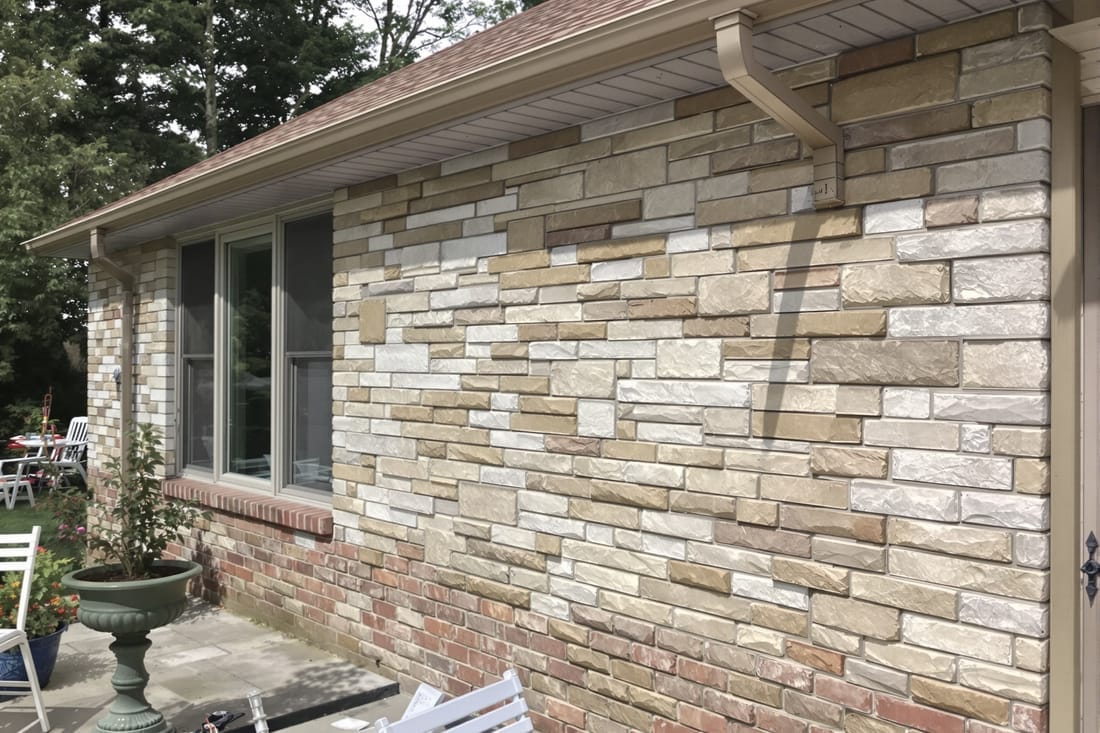
We specialize in masonry repair in Indianapolis, IN, fixing cracks, spalling, and structural issues in brick, block, and stone. Our restoration approach focuses on finding the cause of damage, then using proper materials and techniques so repairs blend in and last.
Superior Masonry Indianapolis provides professional masonry repair throughout Indianapolis, IN, Indiana and the surrounding area. Our licensed, insured crew delivers safe, clean, on-time work with a free estimate before anything begins. Call (317) 648-2270 or request your free quote.
Targeted Masonry Repair for Indianapolis Homes and Buildings
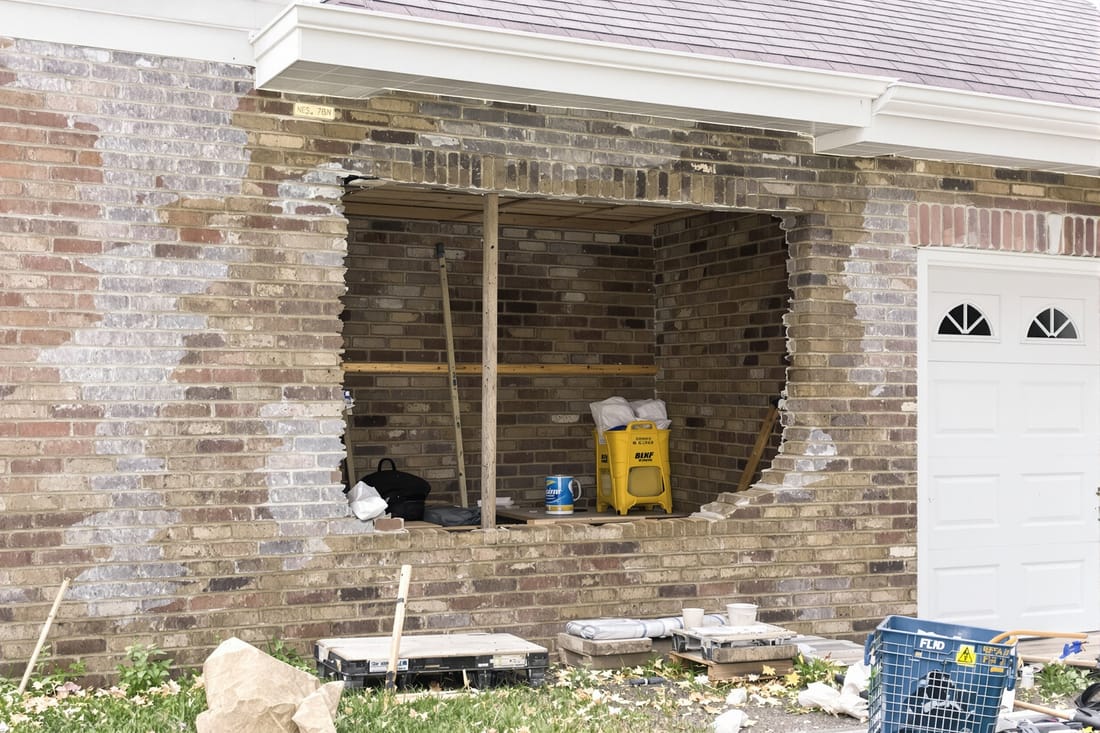
Masonry repair is not just patching cracks. Done correctly, it protects your structure, keeps water out, and maintains property value. At Superior Masonry Indianapolis, we start every masonry repair and restoration project with a focused inspection of the specific problems you are seeing: cracks in brick or block, loose stones, crumbling mortar, or interior water stains that trace back to exterior masonry.
We look for what is actually causing the damage on your property. In central Indiana, that is often freeze‑thaw cycles that open up joints, improperly installed flashing around windows or chimneys, downspouts dumping water against a wall, or older mortar that has simply aged out. We photograph and mark the problem areas, then explain in plain language what needs to be repaired now and what can be monitored over time.
You receive a written scope that matches what we found on your home or building in Indianapolis, not a generic package. That scope spells out which bricks or stones will be removed and replaced, how much repointing is needed, what access is required, and whether we recommend additional protection such as sealing or improved drainage. This upfront clarity keeps surprises out of the project and helps you make informed decisions.
Our Masonry Repair and Restoration Process
Every masonry repair and restoration project with Superior Masonry Indianapolis follows a proven sequence so the finished work is solid and long‑lasting.
1. Investigation and diagnosis: We inspect mortar joints, brick faces, stone units, lintels, sills, and any nearby roofing or flashing. Moisture readings and visual cues tell us whether the damage is structural movement, water intrusion, salt damage, or simple age.
2. Stabilization, if needed: If we see bowing walls, failing chimney crowns, or loose brick at height, we set up bracing or scaffolding and cordon off the area for safety before any removal begins.
3. Careful removal: Deteriorated bricks, stones, and mortar are removed using small grinders and hand tools to avoid damaging adjacent units. For historic or decorative work, we catalog patterns so the rebuilt section matches what was there.
4. Preparation and cleaning: We clean out joints to the proper depth, typically 2 to 3 times the width of the joint, wash out dust with low‑pressure water, and remove salts or efflorescence that could interfere with bonding.
5. Material matching: We match brick size, color, texture, and hardness, and we match mortar color and compressive strength to the existing wall. Using the wrong hardness is a common mistake that shortens masonry life, so this step is critical.
6. Rebuild and repoint: Bricks or stones are reset in fresh mortar, keeping bed and head joints tight and consistent. For repointing, new mortar is packed firmly into cleaned joints in layers, then tooled to the correct profile to shed water.
7. Finishing and curing: We clean the face of the masonry, protect the wall from rapid drying or rain, and allow proper cure time. On some projects we apply breathable sealers or reinstall flashing to keep water away from the repaired area.
This sequence is adjusted for chimneys, retaining walls, foundations, and facades, but the goal is always the same: a repair that blends in visually and performs better than what failed.
Common Masonry Problems in Indianapolis and How We Fix Them
Our climate in Indianapolis, IN is tough on brick and stone. Frequent freeze‑thaw cycles, wide temperature swings, and occasional heavy storms all speed up masonry wear. Superior Masonry Indianapolis has repaired thousands of square feet of wall in Marion County and nearby areas, so we know the patterns.
Cracked or stair‑step mortar joints: These often appear along the mortar rather than through the brick and may indicate minor settlement. If movement has stabilized, we cut out the failed mortar and repoint with a compatible mix, then monitor. If cracks keep moving, we discuss foundation evaluation before cosmetic repairs.
Spalled brick faces: When moisture gets into brick and freezes, the surface can pop off. We remove and replace the damaged units with matching brick and correct the moisture source, often by repairing flashing, sealing minor roof leaks, or redirecting downspouts away from the wall.
Leaking chimneys and flues: In Indianapolis, chimney problems are often tied to failing crowns, missing or cracked caps, and deteriorated mortar around the top courses. We rebuild the top section as needed, pour or place a proper concrete crown with expansion joint at the flue tiles, repoint the stack, and install or replace caps and counter‑flashing.
Efflorescence and white staining: White powder on the face of brick is salt left behind after water evaporates. We identify where that water is coming from (grade too high, clogged weep holes, bad caulk joints, or vapor from inside), then clean the wall with appropriate masonry cleaners and address the moisture path so the staining does not return.
Interior signs of trouble: Peeling paint, musty odors near exterior walls, or damp basements can often be traced to masonry leaks. In those cases we combine exterior repairs with interior inspection of block cores, foundation coatings, and drainage systems so your masonry is not just visually restored but functionally dry.
What Drives Masonry Repair Cost in Indianapolis
Homeowners often ask why one masonry repair estimate is higher than another. The real answer is in the details. Superior Masonry Indianapolis breaks down pricing by the actual work required so you understand where your investment is going.
Access and height: Ground‑level brick repair on a small area costs less than work at the peak of a two‑story gable or on a tall chimney. Projects that need full scaffolding, lifts, or roof protection take more time and equipment.
Extent of damage: Repointing a few isolated joints is very different from rebuilding a bulging wall section or replacing hundreds of spalled bricks. The more material we remove and reset, the more labor is required.
Material matching: Historic or specialty brick and stone can be harder to source. If the property is in an older Indianapolis neighborhood like Irvington or Meridian‑Kessler, we may need to bring in specific brick blends or custom mortar tinting for a seamless look.
Cause of the problem: If masonry deterioration is driven by ongoing water intrusion or foundation movement, the scope must include at least basic correction of those issues. Otherwise you are paying to fix symptoms that will quickly return. That can involve new flashing, improved drainage, or coordination with a foundation contractor.
Time of year: In central Indiana winters, proper mortar curing is more challenging. Cold‑weather work often requires additives, tenting, or heat, which adds cost. When possible, we recommend scheduling larger restoration projects between April and early November so your dollars go into the wall instead of temporary weather protection.
We provide line‑item estimates that show labor, materials, and any access or protection costs separately. You can then prioritize phases if needed without guessing what each component costs.
Material and Design Choices for Long‑Lasting Repairs
Good masonry repair respects the original structure while improving performance where possible. At Superior Masonry Indianapolis, we help you choose materials and details that protect your home or building for decades.
Brick and block selection: When replacing units, we match size first, then color and texture. Using the wrong size forces odd joint widths that stand out and can trap water. For back‑up block behind brick veneer, we meet or exceed current structural standards even if the original construction was lighter.
Mortar type and color: We select mortar strength to match the existing wall. Older soft brick, common in some pre‑1950 Indianapolis homes, should not be paired with very hard modern mortar since it can force cracks through the brick. We can custom‑blend sand and pigments to get as close as possible to your original joint color and finish.
Joint profiles and detailing: The way mortar is tooled affects how water sheds off the wall. On most exterior work we use concave or V‑joint profiles for better weather resistance. On historic restorations, we match the original joint, whether that is flush, raked, or struck, while advising you of the maintenance trade‑offs.
Water management upgrades: During restoration, we often add or repair through‑wall flashing, end dams at windows, weep holes, and proper drip edges at sills and caps. These small details are rarely visible from the street, but they are critical to keeping your wall dry inside.
Protective treatments: On some projects, especially exposed chimneys or parapet walls, we may recommend breathable masonry sealers. These products help shed rain while allowing vapor to escape so moisture is not trapped inside the wall. We only use sealers appropriate for your specific brick or stone type and always after any trapped moisture sources are corrected.
When to Schedule Masonry Repair in Central Indiana
Timing matters for both quality and convenience. In Indianapolis, the best window for most masonry repair and restoration projects is typically April through early November. During these months, temperatures usually stay within the ideal curing range for mortar, which helps you get the most durable result without extra weather‑related costs.
Cold weather work: If a repair cannot wait, such as a severely cracked chimney or loose brick that presents a safety risk, we can work in winter using cold‑weather techniques. This might involve heated enclosures, insulating blankets, or accelerators in the mortar. We explain these options and any added cost before proceeding.
Rain and moisture: One of the most common reasons for masonry failure in Indianapolis is water intrusion, so we pay close attention to forecasts. We avoid starting open‑joint work when heavy rain is expected and protect fresh repairs from unexpected storms to prevent washout and staining.
Project duration: Many residential masonry repair jobs take one to three days, depending on access and size. Larger restoration projects, such as multi‑elevation repointing or full chimney rebuilds, can run a week or more. We plan staging so that your property remains accessible and safe throughout the process.
If you have a home sale coming up, we recommend scheduling an evaluation as soon as possible. Lenders and inspectors in our area frequently flag loose brick, leaning chimneys, and deteriorated mortar. Addressing those items early keeps them from jeopardizing closing.
Why Indianapolis Property Owners Choose Superior Masonry Indianapolis
Masonry repair and restoration should not leave visible patches or new problems. Property owners across Indianapolis work with Superior Masonry Indianapolis because we combine technical knowledge with straightforward communication and respect for existing architecture.
Local code and practice expertise: We are familiar with Indianapolis and Marion County requirements for chimney height, masonry clearances from grade, and how masonry ties and lintels are typically installed in local housing stock. That lets us quickly spot when something was built incorrectly and design a smart repair.
Restoration mindset: We approach every project with the goal of preserving as much sound original material as possible while replacing what has failed. This is particularly important for historic districts and older neighborhoods where brick style and craftsmanship are part of the value.
Clear expectations: Before starting work, we explain what will change visually, what will look the same, and what maintenance you should plan for after the repair. If there are unknowns, such as potential hidden damage behind a veneer, we outline how we will handle discoveries so you are not blindsided.
Skilled crews and clean sites: Our masons are experienced with detailed restoration, not just new construction. They know how to cut joints properly, blend mortar, and minimize dust and debris. At the end of each day, we secure the site, remove loose materials, and leave walkways safe and usable.
If you need masonry repair in Indianapolis, whether for a single chimney, a problem wall, or a full facade restoration, Superior Masonry Indianapolis can inspect, diagnose, and restore your brick or stone so it continues to protect and represent your property well for years to come.