Home › Commercial Brick Masonry
We offer commercial brick masonry in Indianapolis, IN for new buildings, additions, and site walls. Our crews handle large scale brickwork efficiently while maintaining consistent coursing, alignment, and details that meet plans and specifications.
Superior Masonry Indianapolis provides professional commercial brick masonry throughout Indianapolis, IN, Indiana and the surrounding area. Our licensed, insured crew delivers safe, clean, on-time work with a free estimate before anything begins. Call (317) 648-2270 or request your free quote.
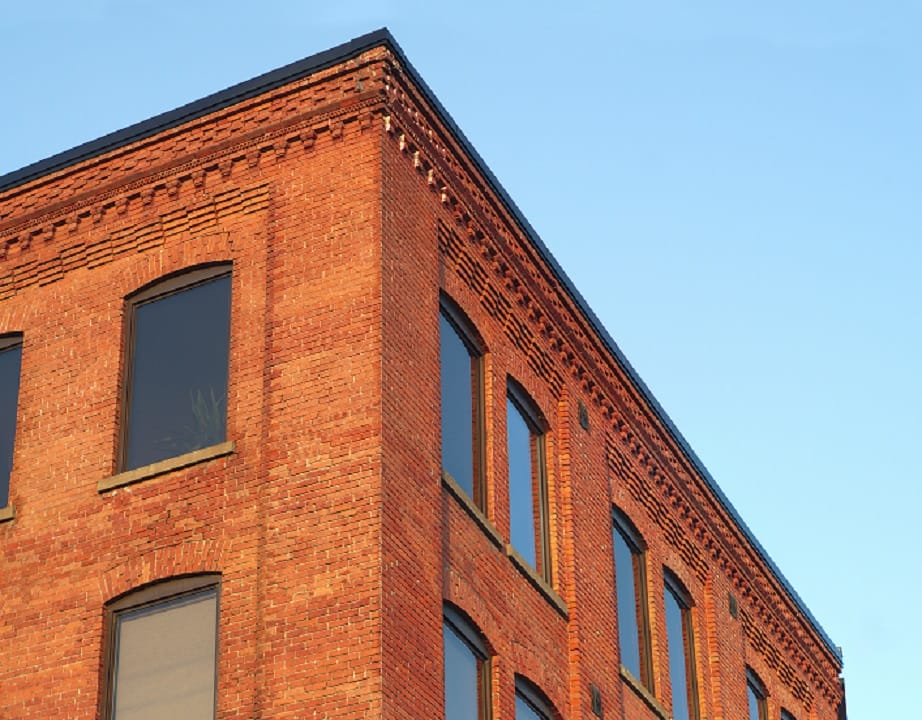
Commercial Brick Masonry for Indianapolis Properties
Superior Masonry Indianapolis provides commercial brick masonry for owners, builders, and facility managers across the Indianapolis area. We focus on durable, code-compliant brick work that holds up to Indiana freeze-thaw cycles and the wear of daily business operations.
Most of our commercial brick projects fall into a few categories: new building facades, retail and restaurant storefronts, office and medical suites, multi-family complexes, industrial facilities, and institutional buildings like schools and churches. We also handle brick repairs and additions on existing commercial structures, including infill where new doors or windows are cut into older walls.
Before any work begins, we walk the site and review your drawings or existing structure. For new construction, we coordinate with your architect or GC to confirm wall thicknesses, shelf angles, control joint locations, and tie spacing. For retrofit work, we examine the existing brick, mortar condition, flashing, and structural supports so the new masonry ties in properly and does not create moisture traps.
Because local weather is a real factor, scheduling matters. In Indianapolis winters, we plan around temperature and moisture, use cold weather masonry procedures when needed, and avoid shortcuts that lead to spalling or cracked joints a year later. For active businesses, we also plan staging, dust control, and access routes so customers and staff can keep using the building while work is underway.
How We Plan and Execute Commercial Brick Masonry
A typical commercial brick masonry project with Superior Masonry Indianapolis follows a clear sequence so you know what is happening and when.
1) Pre-construction review: We review construction documents, structural details, and product submittals. This includes brick type and size, mortar type, joint profile, insulation, air barrier, and flashing systems. If details are missing or unclear, we flag them early instead of improvising on site.
2) Layout and preparation: On site, we verify foundation or slab elevations, layout lines, anchor locations, and bearing angles. We check for deviations in the structure that could throw off brick coursing. For retrofit or facade replacement, we set up scaffolding, remove damaged materials in controlled sections, protect windows and doors with plastic, and secure public walkways.
3) Wall system setup: For cavity walls, we install through-wall flashing, end dams at corners, weep systems, and brick ties or anchors at the spacing required by code and the engineer. For solid or veneer walls over CMU, we confirm that ties engage the structural backup and that control joints align with building movement joints.
4) Brick laying: Our masons establish control points and leads so the wall runs straight and true. We keep bed and head joints consistent, usually 3/8 inch, and maintain clean cavity spaces so insulation and air barriers perform as designed. We pay attention to bond patterns, alignment with window and door heads, and intentional joint tooling for both performance and appearance.
5) Detailing and cleanup: At openings, parapets, and transitions to other materials, we install sealant-compatible joints, drip edges, and above-grade flashing. After curing, we clean brick with solutions suited to the specific unit, avoiding harsh methods that etch or lighten the face. Final cleanup includes removing mortar droppings from walks, roofs, and adjacent finishes.
Throughout the job, we document any field changes that affect long-term performance, so property owners and facility managers have a clear record for future maintenance.
Brick, Mortar, and Design Options for Commercial Projects
For commercial brick masonry in Indianapolis, materials and details make a big difference in both appearance and longevity. Superior Masonry Indianapolis helps you select combinations that fit your budget, architectural style, and maintenance expectations.
Brick units: We regularly work with modular, utility, and engineer-size brick. Larger utility units are common on warehouses and schools because they cover more area per brick and reduce labor. Modular units are typical for retail storefronts where pattern and detail matter more. Face brick can be smooth, wirecut, tumbled, or textured, and we match blends carefully across pallets to avoid patchy color changes.
Colors and blends: Indianapolis projects often aim to coordinate with neighboring buildings or brand colors. We request manufacturer sample panels and, when needed, build on-site mockups that show the brick, mortar color, and joint profile together. This avoids surprises once large wall areas go up, especially on multi-story buildings where color shifts are more obvious.
Mortar and joints: Mortar type is chosen based on structural needs and brick strength, often Type N or S. Color can either blend with the brick or deliberately contrast. Joint tooling, such as concave, V, or flush joints, affects how walls shed water and how shadows read in sunlight. For high-traffic storefronts, we often recommend a slightly darker mortar to hide incidental staining.
Patterns and accents: Running bond is common, but commercial facades often benefit from soldier courses at window heads, rowlock sills, or banding in a different color or texture. These small changes can give a building more presence from the street without a major cost increase. We also integrate brick with cast stone, precast concrete, and metal panel systems so transitions are watertight and visually clean.
Energy and envelope performance: For cavity walls, we coordinate rigid or mineral wool insulation, air barriers, and thermal breaks around structural steel. With the temperature swings in Indiana, getting this right helps prevent condensation, efflorescence, and interior comfort complaints.
Cost Drivers and Budget Planning for Commercial Brick Work
Owners and contractors in Indianapolis often ask what actually drives commercial brick masonry costs. Superior Masonry Indianapolis explains costs upfront so bids make sense and change orders are minimized.
Scope and height: Simple, single-story veneer on a clear site costs less per square foot than multi-story work that requires complex scaffolding, hoisting, or swing stages. The higher we go, the more time is spent moving materials vertically, which adds labor.
Detailing and layout: Straight runs of wall with few openings are more efficient than facades with frequent window breaks, deep returns, and many corners. Complex patterns, accent bands, or multiple brick colors take more layout time and careful sorting of materials.
Structural and envelope requirements: Projects that require stainless steel ties, heavy structural shelf angles, intricate flashing, or thicker insulation packages will cost more in materials and coordination time. However, these details often pay off in reduced maintenance and lower energy costs.
Access and phasing: Tight downtown Indianapolis sites, active retail centers, and occupied medical offices often require special staging, off-hours work, or smaller work zones to keep businesses open. This affects production rates and can be a significant cost factor.
Repairs vs new work: Repairing or tying into older brick is usually slower than new walls, because each area must be evaluated and opened carefully. Matching old colors, dimensions, and mortar finishes also adds time. We discuss these realities early so building owners can prioritize what must be done now versus what can be planned as a later phase.
We provide detailed line-item proposals that separate materials, labor, equipment, and allowances for unknown conditions, especially on older structures where hidden issues are likely.
Common Commercial Brick Problems in Indianapolis and How We Fix Them
Commercial buildings in Indianapolis share a set of recurring brick issues that come from our climate, age of the building stock, and earlier construction practices. Superior Masonry Indianapolis has specific repair strategies for each.
Freeze-thaw damage and spalling: Water enters brick or mortar, then expands when it freezes. This leads to surface flaking, cracked faces, or loose bricks. We remove failed units, check for missing or damaged flashing, install or improve weep systems, and replace brick and mortar with compatible materials, not just whatever is on the truck.
Efflorescence and moisture staining: White deposits on brick often indicate that water is traveling through the wall and bringing salts to the surface. We investigate sources such as missing drip edges, clogged weeps, poorly sloped sills, or failed sealant joints. Cleaning is the last step, after we correct moisture paths.
Cracked joints and movement issues: Vertical or stair-step cracks can signal building movement, thermal expansion, or poorly placed control joints. We determine whether cracks are structural or cosmetic, then install new control joints, replace cracked units, and retool joints with appropriate sealants or mortar.
Corroded shelf angles and lintels: Older commercial buildings often have rusting steel at window heads or floor lines. Rust expansion pushes brick out of alignment. We open the wall in controlled sections, clean or replace the steel, add proper flashing, and rebuild the brickwork so water drains instead of sitting on the steel.
Incompatible past repairs: Many buildings have been patched with mismatched brick or overly strong mortar that causes surrounding brick to fail. We identify these areas, test if needed, and use more compatible mixes and replacement units so future damage is reduced rather than shifted elsewhere.
What Indianapolis Owners Should Look For in a Commercial Masonry Contractor
Choosing the right commercial brick masonry contractor affects how your building looks and performs for decades. Superior Masonry Indianapolis encourages owners and GCs to ask specific questions, not just compare bottom-line numbers.
Ask about local experience: Commercial work in Indianapolis involves specific local codes, weather realities, and coordination with regional suppliers. A contractor familiar with local inspectors, material lead times, and winter work procedures will keep your project moving.
Request project examples: Look for completed buildings that are similar in height, use, and detailing to your own. Drive by them and see how the brickwork has aged. Pay attention to straightness of walls, clean joints, and how transitions with windows and other claddings look up close.
Clarify scope and details: Your proposal should reference specific brick products or allowances, mortar types, flashing systems, tie spacing, cleaning methods, and mockup requirements. Vague bids often lead to disputes once construction is underway.
Discuss scheduling and coordination: Commercial brick masonry affects many other trades, including framers, window installers, roofers, and sealant contractors. Ask how your mason coordinates to avoid rework at window openings, parapets, and roof edges.
Confirm insurance and safety practices: With scaffolding and material handling on active sites, proper safety planning is critical. Confirm that the contractor carries appropriate insurance and has documented safety procedures.
If you are planning a new commercial build, a facade upgrade, or repairs to an existing brick building in Indianapolis, Superior Masonry Indianapolis can walk your site, review drawings, and provide a detailed commercial brick masonry proposal that addresses both appearance and performance over the long term.