Home › Masonry Restoration and Historic Preservation
We perform historic masonry restoration in Indianapolis, IN on older brick and stone buildings that require careful preservation. Our team matches materials, profiles, and methods to keep the original character while improving structural safety and weather resistance.
Superior Masonry Indianapolis provides professional historic masonry restoration throughout Indianapolis, IN, Indiana and the surrounding area. Our licensed, insured crew delivers safe, clean, on-time work with a free estimate before anything begins. Call (317) 648-2270 or request your free quote.
Thoughtful Historic Masonry Restoration in Indianapolis
Historic brick, stone, and block do not just need to look good, they need to perform in Indiana weather for decades to come. At Superior Masonry Indianapolis, our masonry restoration and historic preservation work is focused on keeping the original character of your building while solving the real problems that have developed over time.
Historic masonry in Indianapolis faces freeze-thaw cycles, road salt, and shifting soils. Over the years, buildings along Meridian Street, older homes in Irvington, and early 1900s commercial properties around downtown all show similar issues: crumbling mortar joints, spalling brick faces, white salt stains, and moisture getting into basements and walls. We address these issues with methods that respect the original construction instead of covering it up with modern shortcuts.
Whether you own a historic home, a church, an older storefront, or a multi-story brick apartment building, our goal is to stabilize and preserve what you already have. We do not treat historic masonry restoration as cosmetic patching. We study how your building was built, how it is moving, and how water travels through walls, then create a repair plan that works with those realities.
How Our Historic Masonry Restoration Process Works
A successful restoration starts with a careful assessment. We begin with a detailed walk-around, often with ladders and binoculars, noting brick patterns, mortar condition, cracks, bowing walls, and prior repairs. We check gutters, downspouts, and grading, because water management is usually tied to masonry damage in Indianapolis. When needed, we remove a small amount of mortar to measure joint depth and identify the original mortar type.
Next, we create a written scope of work, usually with photos and location notes. This breaks down which areas need tuckpointing, which bricks or stones must be replaced, and whether any structural elements like lintels or shelf angles may need attention. For older properties, we prioritize repairs that stop active deterioration first, such as open joints that are letting water behind the wall.
During the work, we set up scaffolding or lifts according to local safety rules and your site constraints. On occupied buildings, we coordinate with owners or tenants so entries stay clear and dust is controlled. We remove failing mortar with hand tools or low-vibration grinders to a proper depth, typically 2 to 2.5 times the joint width, so the new mortar has something to bond to. Each section is cleaned of dust before new mortar is placed. Throughout the project, we keep you updated on what we are finding behind the deteriorated areas so there are no surprises at the end.
Mortar Matching, Brick Replacement, and Cleaning Methods
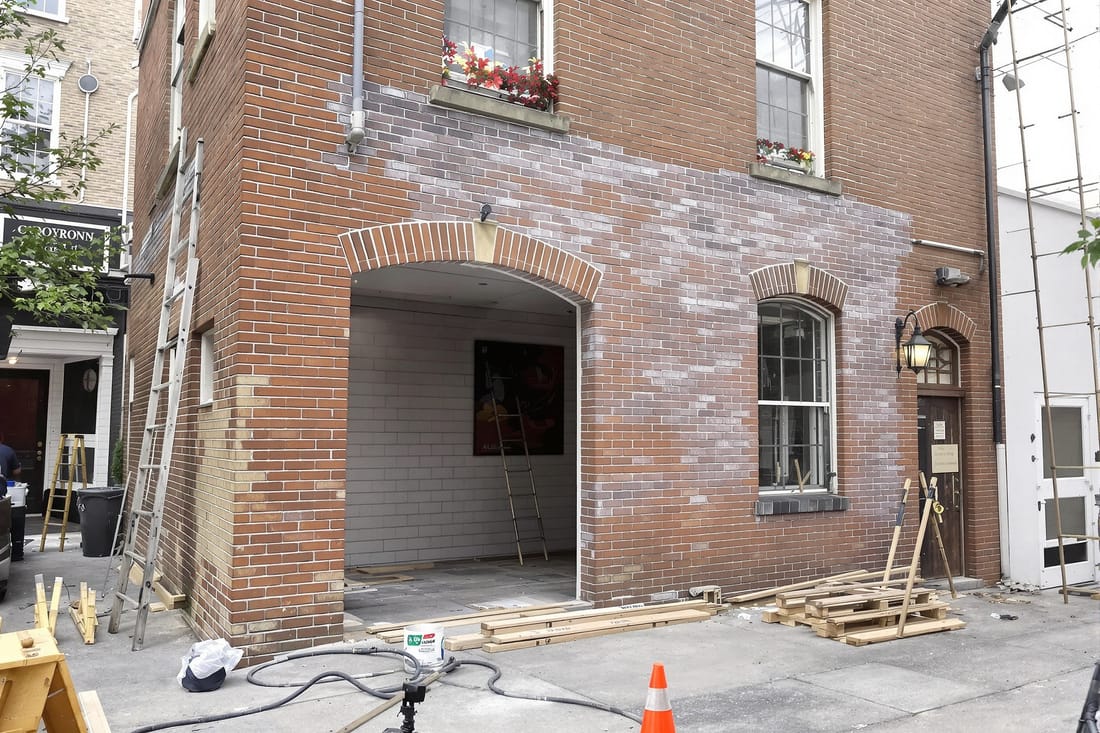
The most visible part of historic masonry restoration is matching mortar and masonry units so repairs do not stand out or damage the original wall. At Superior Masonry Indianapolis, we use a combination of field tests and supplier resources to get as close as reasonably possible to your existing material.
For mortar, we look at color, texture, sand grain size, and hardness. In many Indianapolis buildings from the late 1800s and early 1900s, the original mortar is lime-based and relatively soft, which allows the wall to move and breathe. Using a modern, very hard Portland-only mortar in those walls can cause brick faces to crack or pop off. When appropriate, we use lime-rich or specialty historic restoration mortars that are compatible with your original masonry. We tint the mortar to blend with your existing joints, testing small areas first so you can review the appearance in natural light.
For brick and stone, we try to salvage original units whenever possible. Often, sound bricks can be taken from less visible areas of your building and used on the front. When new brick is needed, we source from regional manufacturers that stock shapes and colors similar to older Indianapolis production. For limestone trim and sills, which are common throughout Indiana, we match the quarry type and finish as closely as budget allows.
Cleaning is done gently to protect the historic surface. Instead of harsh acid washes or high-pressure water that can erode brick faces, we typically use low-pressure water rinses, mild masonry cleaners, and soft bristle brushing. On some projects with heavy soiling or graffiti, we may use specialized restoration detergents or low-pressure micro-abrasive cleaning, always testing a small inconspicuous area first. Our goal is to remove pollutants, biological growth, and stains without stripping away the protective fired surface of the brick or the natural stone patina.
Handling Common Historic Masonry Problems in Indianapolis
Older Indianapolis buildings show a predictable set of issues that we plan for during masonry restoration and historic preservation projects.
Water intrusion and efflorescence: White powdery deposits are a sign that water is moving through the masonry and bringing salts to the surface. We look for failed flashing, clogged or missing weep holes, damaged mortar caps, and gaps around windows. Repairs may include repointing key areas, resealing penetrations, adjusting downspouts and grading, and in some cases adding or repairing through-wall flashing.
Cracks and movement: Hairline cracks in mortar often reflect normal settlement or thermal movement. Wider or stepped cracks around openings can indicate structural movement or rusting steel lintels expanding over window and door heads. We evaluate each crack, then decide whether repointing alone is enough, or if lintel replacement, helical anchors, or limited rebuilding of sections is needed.
Spalling and face loss: When brick faces pop or flake off, we determine if the cause is freeze-thaw damage, de-icing salts, or previously installed hard mortars that trap moisture. Light spalling can sometimes be managed by repointing and water management improvements. Heavily damaged units are cut out and replaced with compatible brick. We never apply surface coatings that trap moisture unless there is a very specific engineered reason.
Previous bad repairs: Many historic buildings have mismatched patch mortars, smeared joints, or inappropriate sealers applied decades ago. Part of our work is carefully removing those failed repairs without further harming the underlying masonry, then restoring the area with materials that are closer to what was originally used.
Permits, Guidelines, and What Affects Project Cost
In Indianapolis, the requirements for historic masonry restoration depend on your location and building designation. If your property is in a local historic district or has protections through the Indianapolis Historic Preservation Commission (IHPC), visible exterior masonry work usually needs review and approval. We can help you understand what documentation will be needed, such as photos, mortar samples, or product data, and coordinate with your architect or preservation consultant if you have one.
For most standard residential and small commercial repointing or localized repairs outside of protected districts, a full building permit may not be required, but any structural work, such as replacing large lintels or rebuilding tall walls, often does. We always recommend checking with the city or county beforehand so the project does not get delayed midstream. If you live in a neighborhood with an active HOA, they may also need to review visible exterior changes, even if you are just cleaning and repointing.
Project cost is driven by access, height, and extent of deterioration more than anything else. A single-story home that only needs selective tuckpointing and a few brick replacements around a chimney will be far less involved than a three-story commercial facade that requires full front elevation repointing with matched mortar and brick. Other cost factors include the need for custom mortar mixes, specialty stone, or custom-fabricated steel lintels, the number of mobilizations to the site, and any required night or weekend work to accommodate business operations. We are transparent about these items in our proposals so you can see what is involved and where options exist to phase work over multiple seasons.
Why Work With Superior Masonry Indianapolis on Your Historic Building
Masonry restoration and historic preservation work is different from new construction. It demands patience, attention to small details, and respect for how older materials behave. At Superior Masonry Indianapolis, our crews spend most of their time on existing buildings, not just new block or brick. That focus means we understand how to open up a wall carefully, what to expect behind damaged areas, and how to close it back up so it looks right and lasts.
We encourage owners to be part of the process. Before we start, we walk you through the planned work areas and discuss what is essential now and what can be reasonably deferred. During the job, if we uncover something unexpected, we show you instead of just covering it back up. On historic masonry restoration, this collaboration usually leads to better long-term outcomes and fewer surprises.
If you are concerned about preserving original details like corbelled brickwork, decorative stone, or unique mortar joint profiles, we can often replicate those elements by hand. For investment properties and commercial buildings, we balance preservation with durability and budget, proposing options so you can make informed choices.
If your Indianapolis building is showing signs of masonry wear, or you are planning a larger restoration and need a local partner who respects historic fabric, Superior Masonry Indianapolis is ready to help. We can start with a no-pressure site visit, clear explanations of what we see, and a restoration plan that fits both your building and your budget.